TRINIDAD ALL STARS |
|||||||||||||||||||||||||||||||||||||||||||||||||||||||||||||||||||||||||||||||||||||||||||||||||||||||||||||||||||||||||||||||||||||||||||||||||||||||||||||||||||||||||||||||
|---|---|---|---|---|---|---|---|---|---|---|---|---|---|---|---|---|---|---|---|---|---|---|---|---|---|---|---|---|---|---|---|---|---|---|---|---|---|---|---|---|---|---|---|---|---|---|---|---|---|---|---|---|---|---|---|---|---|---|---|---|---|---|---|---|---|---|---|---|---|---|---|---|---|---|---|---|---|---|---|---|---|---|---|---|---|---|---|---|---|---|---|---|---|---|---|---|---|---|---|---|---|---|---|---|---|---|---|---|---|---|---|---|---|---|---|---|---|---|---|---|---|---|---|---|---|---|---|---|---|---|---|---|---|---|---|---|---|---|---|---|---|---|---|---|---|---|---|---|---|---|---|---|---|---|---|---|---|---|---|---|---|---|---|---|---|---|---|---|---|---|---|---|---|---|---|
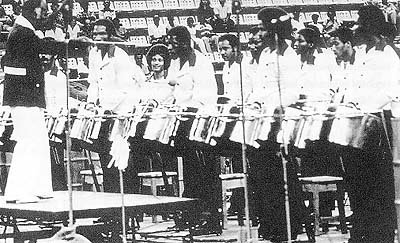
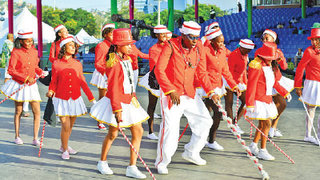
| The Trinidad All Stars Steelband was originally formed on Charlotte Street, Port-of-Spain, in 1935 as "Hell Yard Boys" with a group of panmen that included "Big Head" Hamill and Rudolph "Fish Eye" Olliviere, the band's first leader. In 1939, the band's name was changed to "Second Fiddle," after the American movie of the same name starring Tyrone Power; the band was also known as "Bad Behavior." In 1943, the band changed its name to "Cross of Lorraine" after the American movie "The Cross of Lorraine," starring Gene Kelly. In the mid-1940s, the leadership of the band changed successively from Olliviere to Neville Jules and then to Prince Batson. During this time, the name of the band was changed to "All Stars." In 1948, Jules resumed the leadership and the band's name was modified to "Trinidad All Stars." In addition to being the band's leader, Jules was also tuner and musical arranger, positions he held until the early-1970s when he migrated to the USA. Under Jules' leadership in the 1950s, the Trinidad All Stars Steelband began the tradition of interpreting a piece of classical music in calypso tempo and withholding it from the public's ear until the break of dawn on the first day of Carnival. The musical selection was referred to as "The Bomb" and, with the passage of time, other steelbands followed suit. Beginning in the 1950s, the Trinidad All Stars panyard was located on Charlotte Street near Duke Street on the floor above the Maple Leaf Club; this floor was commonly referred to as the "garrot." Trinidad All Stars received the sponsorship of Catelli Trinidad Limited during the 1960s, but later switched to the Neal & Massy Holdings Limited in 1988. Neal & Massy Holdings Limited later became known as The Neal and Massy Group and then Massy in 2014. In addition to winning the Steelband Music Festival six times, the band won the Panorama competition 12 times, with musical arrangers Rudy Wells, Leon Edwards, and Eddy Quarless all contributing to the band's success. In 1982, Trinidad All Stars Steelband received the Trinidad & Tobago Humming Bird Medal Gold for music. In 2014, the steelband became the second steelband in the history of Trinidad Carnival to cop the Large Band of The Year prize with its portrayal of "Sailors Ashore at A Tropical Fiesta." Over the years, the Trinidad All Stars Steelband finished among the top three steelbands in the following significant competition: |
||||||||||||||||||||||||||||||||||||||||||||||||||||||||||||||||||||||||||||||||||||||||||||||||||||||||||||||||||||||||||||||||||||||||||||||||||||||||||||||||||||||||||||||
| |||||||||||||||||||||||||||||||||||||||||||||||||||||||||||||||||||||||||||||||||||||||||||||||||||||||||||||||||||||||||||||||||||||||||||||||||||||||||||||||||||||||||||||||
| Compiled by Ronald C. Emrit |